Does homeowners insurance cover a roof replacement in Connecticut?
By Diego Fischer · Updated 2026-08-01
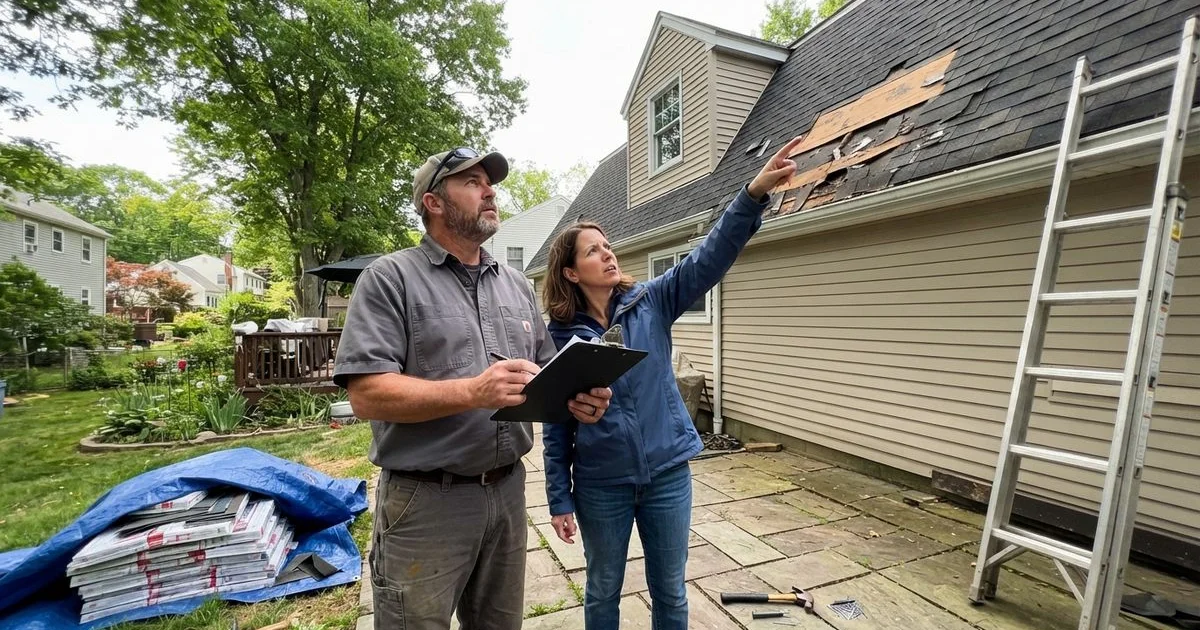
Roof damage is one of the more common reasons homeowners file an insurance claim in Connecticut, but coverage is not automatic. What your policy actually pays for depends on why the roof needs work, how old it is, and the specific terms in your declarations page. This is general information, not insurance or legal advice; your policy language controls what is actually covered.
What is usually covered
Most standard homeowners policies cover roof damage caused by a sudden, identifiable event: wind, hail, a fallen tree limb, or fire. If a storm rips off shingles or a branch punches a hole in your roof, that is the kind of damage insurers expect to pay for, subject to your deductible. Connecticut sees enough wind and hail activity that storm-related roof claims are a routine, well-understood category for insurers operating here, which generally makes the claims process more predictable than it is for less common causes of damage.
What is usually not covered
Gradual deterioration is the big exception. A roof that leaks because it is 22 years old and simply worn out is a maintenance problem in most policies’ eyes, not an insurable event. Insurers can also deny or reduce a claim if they determine the roof was already in poor condition before the storm, which is why some companies request photos or an inspection history. Cosmetic damage, like minor granule loss with no functional impact, is another common denial point.
Age-based coverage limits
Some Connecticut insurers apply actual cash value (ACV) rather than full replacement cost once a roof passes a certain age, often somewhere around 15 to 20 years depending on the carrier and material. Under ACV, your payout factors in depreciation, so an older roof gets a smaller check even for a covered event, and you may need to cover a larger share of the replacement out of pocket than you’d expect. Ask your agent directly whether your policy pays replacement cost or actual cash value on the roof specifically, since this can differ from the rest of the dwelling coverage, and it’s worth confirming before you need to file a claim rather than after.
The matching-shingle rule
Connecticut has a consumer-protection rule requiring insurers to match the appearance, color, and quality of your existing roofing material as closely as reasonably possible when settling a covered claim, even if it means replacing more of the roof than the damaged section alone. If your shingle is discontinued and an exact match is not available, insurers are expected to work toward a reasonably close match rather than leaving you with a visibly mismatched patch. If an adjuster offers a partial, mismatched repair, you can raise this rule directly with them or your state insurance department, and it is worth putting that request in writing so there is a clear record of it.
Getting ready to file a claim
Document the damage with photos and, if it is safe, video, as soon as you notice it. Contact your insurer to start the claim and ask when an adjuster will inspect the property. A contractor experienced with insurance claims can meet the adjuster on-site and make sure the estimated scope of work matches what a proper repair or replacement actually requires, not just what is quickest to approve. Keep every piece of paperwork from the process, since a denied or underpaid claim is much easier to appeal with a complete record than from memory alone.
| Scenario | Typically covered? |
|---|---|
| Wind or hail damage from a storm | Usually yes, subject to deductible |
| Tree limb falls on the roof | Usually yes |
| Roof leaking from age and wear | Usually no |
| Cosmetic granule loss, no leak | Usually no |
| Ice dam water intrusion | Varies by policy; check for exclusions |
Keep every document related to the claim: the adjuster’s report, your contractor’s estimate, and all correspondence. If the payout does not cover a full, code-compliant replacement, ask for a written breakdown of what was excluded and why before accepting the settlement.
See our methodology for how we evaluate roofing contractors in this directory, and browse the full directory to compare providers once you know your coverage.
Frequently asked questions
- Does homeowners insurance cover a roof replacement due to age?
- Generally no. Standard policies cover sudden, accidental damage from a covered event, like wind or hail, not gradual wear from age. A roof that fails because it is old and worn out is typically treated as a maintenance issue, not a claim.
- What is the matching-shingle law in Connecticut?
- Connecticut requires insurers to match the appearance and quality of roofing materials on a covered claim, even if the original shingle is discontinued. If your insurer offers a mismatched repair instead, you can push back citing this rule.
- How much is a typical roof insurance deductible?
- It varies by policy. Some Connecticut policies carry a flat dollar deductible, while others use a percentage-based wind or hail deductible, often 1 to 2 percent of the home's insured value. Check your declarations page for the exact figure.
- Will filing a roof claim raise my premium?
- It can, especially with multiple claims in a short window. Insurers vary in how they weigh a single weather-related claim versus a pattern of claims, so it is worth asking your agent how a claim would affect your specific policy before filing.