Selling your Hartford Metro home? What to know about your roof first
By Diego Fischer · Updated 2026-08-14
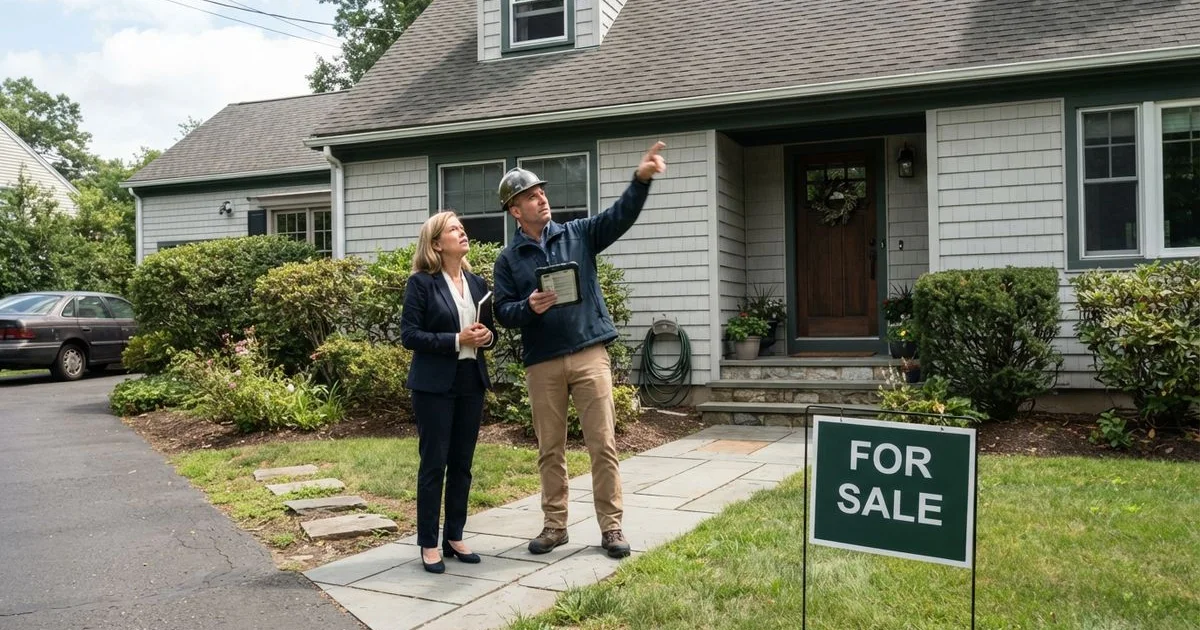
A roof rarely gets much attention from a homeowner living comfortably under it, but it becomes one of the first things a buyer’s inspector examines once a house goes under contract. Getting ahead of roof condition before you list, rather than reacting to an inspection report mid-negotiation, gives you more control over the outcome.
Why the roof matters more than it seems
Lenders and insurers both care about roof age and condition, sometimes more directly than buyers do on their own. Some mortgage programs and homeowners insurance policies have age thresholds that trigger extra scrutiny or a required inspection before approval, particularly for roofs over 20 years old. A roof issue that surfaces during underwriting, after you already have an accepted offer, is a worse time to deal with it than before you list, since it can delay closing or hand the buyer a stronger negotiating position right when you have the least flexibility to walk away.
What inspectors typically flag
A standard home inspection includes a visual roof assessment: apparent age, missing or damaged shingles, flashing condition around chimneys and vents, sagging, and signs of past or active leaks in the attic. Inspectors generally do not go up on the roof itself, so their assessment is a starting point, not a full diagnosis, but it is often enough to trigger a negotiation. If the inspector’s notes are vague, a buyer’s agent will sometimes recommend a dedicated roof inspection as a follow-up, which can reopen a conversation you thought was already settled.
| What the inspector notes | Likely buyer response |
|---|---|
| Roof appears new or recently replaced | Minimal impact, sometimes a selling point |
| Roof is mid-life with no visible issues | Usually no action needed |
| Roof is near or past expected lifespan | Request for credit, repair, or price adjustment |
| Visible damage or active leak signs | Request for repair or replacement before closing |
Repair, replace, or disclose
If your roof is generally sound with a few years of life left, targeted repairs to obvious problem spots (a section of missing shingles, a flashing issue) before listing can prevent an inspection report from raising a bigger red flag than the actual condition warrants. A small, documented repair ahead of listing often costs far less than the credit a buyer will negotiate for the same issue once it shows up in an inspection report.
If the roof is genuinely near the end of its service life, you have three realistic paths: replace it before listing, price the home to reflect the roof’s condition and let the buyer decide, or negotiate a credit at closing once an inspection surfaces the issue anyway. None of these is automatically the right call. It depends on your timeline, your market, and whether you would rather control the material and contractor choice yourself or hand that decision to the buyer.
Connecticut generally requires sellers to disclose known material defects about the property, which can include known roof leaks or damage, through the state’s residential property condition disclosure process. This is general information, not legal advice; a real estate attorney can confirm what applies to your specific sale.
If you decide to replace before listing
A full replacement before listing gives you control over material and timeline, and it removes roof condition as a negotiating point entirely. It only makes financial sense if the roof is genuinely near end of life or already causing inspection concerns; a roof with real years left rarely needs replacing purely to sell faster. If you go this route, keep the paperwork, permit, and warranty documentation to hand off to the buyer, since a documented recent roof replacement is a stronger selling point than an undocumented one.
Whichever path fits your situation, get a straightforward professional opinion on actual remaining life before deciding. A roofer who tells you honestly that your roof has a few good years left, rather than pushing a replacement you don’t need, is worth more than a sales pitch, and that honesty is easier to spot when you compare more than one opinion.
See our methodology for how we evaluate roofing contractors, and browse the full directory for Hartford Metro when you’re ready for an inspection.
Frequently asked questions
- Will a home inspector flag an older roof even if it isn't leaking?
- Often, yes. Inspectors typically note the roof's apparent age and condition regardless of whether it's actively leaking, and buyers or their lenders may use that note to negotiate, request a credit, or ask for a pre-closing repair.
- Do I have to replace my roof before selling?
- Not necessarily. Many roofs sell as-is with the condition disclosed and priced accordingly. Replacement makes more sense when the roof is near or past its expected lifespan, has visible damage, or when comparable homes in your market have newer roofs.
- What am I legally required to disclose about my roof?
- Connecticut generally requires sellers to disclose known material defects, including known roof leaks or damage, through the state's residential property condition disclosure process. What counts as material and how it must be disclosed depends on your specific situation, so check current requirements or ask your real estate attorney.
- Does a roof replacement pay for itself at sale?
- It varies by market and buyer expectations, and this directory does not track resale return data. A newer roof is a strong selling point that can reduce negotiation friction and buyer financing hurdles, even when it doesn't fully recoup its cost in the sale price.
Related on this site
- Browse roof replacement providers
- What a roof replacement costs in Connecticut and what changes the price
- What to expect during a roof replacement, step by step
- How to choose a roofing contractor: red flags and questions to ask
- How to avoid roofing scams and storm-chaser contractors in Connecticut
- All guides →