Preparing your roof for a New England winter
By Diego Fischer · Updated 2026-08-08
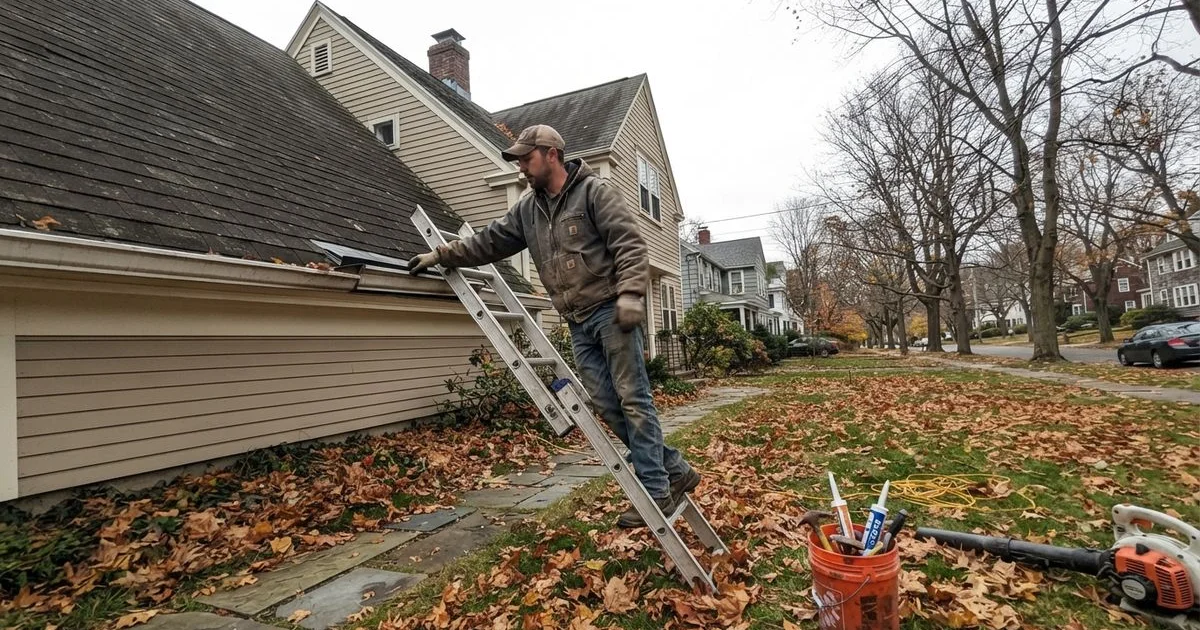
Connecticut winters put more stress on a roof than almost any other season, between heavy snow load, repeated freeze-thaw cycles, and the ice dams that form along eaves when heat escapes through the attic. A few hours of fall prep meaningfully lowers the odds of a winter leak, and it costs far less than repairing water damage after the fact. If your roof needs work beyond maintenance, our directory of Hartford Metro roof replacement providers is a good next stop.
Why ice dams form here
An ice dam starts with heat loss. Warm air escaping from the living space into an under-insulated attic melts the snow directly above it, and that meltwater runs down the roof until it reaches the colder eaves, where it refreezes into a ridge of ice. The dam then traps more meltwater behind it, and eventually that backed-up water finds a way under the shingles and into the attic or walls. This cycle repeats through the winter with every freeze-thaw swing, which New England gets plenty of.
The fix is rarely just about the roof surface. Attic insulation and ventilation, keeping the attic close to outdoor temperature so snow melts evenly rather than from the inside out, does more to prevent ice dams than any product applied to the shingles themselves.
Fall checklist before the first freeze
Clean the gutters and downspouts. Clogged gutters hold water right where ice dams like to form. Clear leaves and debris in October, after most trees have dropped their leaves but before the first hard freeze.
Check attic insulation and ventilation. Look for insulation gaps, especially around recessed lighting, attic hatches, and where plumbing or wiring penetrates the ceiling. Confirm soffit and ridge vents are not blocked by insulation, since airflow through the attic is what keeps the roof deck cold and even.
Inspect flashing and roof penetrations. Chimneys, vent pipes, and skylights are common leak points. A visual check for gapped or lifted flashing before winter is worth doing while it is still easy to get a contractor out.
Trim overhanging branches. Heavy, wet snow can snap weak limbs onto a roof. Trimming branches that hang directly over the house reduces that risk and keeps leaves out of gutters too.
Confirm your ice-and-water shield is in good shape. If your roof is older or was replaced before current code requirements, ask a contractor whether adding or upgrading ice-and-water shield along the eaves makes sense before winter.
| Task | Best timing |
|---|---|
| Gutter cleaning | Early to mid-October |
| Attic insulation and ventilation check | October, before the first freeze |
| Flashing inspection | October |
| Branch trimming | October, before leaf-free branches make it harder to judge growth |
| Ice-and-water shield evaluation | Before scheduling any winter roof work |
During the winter
After a heavy, wet snowfall, a roof rake used from the ground can safely remove excess snow load from the lower few feet of roof, which is also where ice dams start. Avoid climbing onto a snow- or ice-covered roof yourself, and be careful with a roof rake around power lines or overhead wires near the eaves. If an ice dam does form and water starts backing up, a professional with steaming equipment can remove it safely without damaging shingles the way chipping or salting can.
Watch for ceiling stains, peeling paint near the roofline, or a musty smell in an upstairs room during winter months. These can indicate water has already found its way past the roof, and catching it early limits the damage. A stain that keeps growing after a thaw, rather than staying the same size, usually means the leak is still active and worth checking sooner rather than later.
Even a roof in generally good shape can develop an ice dam in a hard winter, so seeing one form does not necessarily mean something is wrong with the roof itself. It is a sign worth noting, though, particularly if the same spot dams up repeatedly year after year, since that pattern usually points to a specific insulation or ventilation gap above that section of the house.
See our methodology for how we rank roofing contractors, and browse the full directory for Hartford Metro if your roof needs professional attention before winter sets in.
Frequently asked questions
- When should I start winterizing my roof?
- Aim for October, before the first hard freeze and while it is still comfortable to be on a ladder or have a contractor out. Waiting until the first snowfall means competing with everyone else for appointments.
- Do gutter guards stop ice dams?
- They help with debris but do not prevent ice dams on their own. Ice dams form from heat loss through the roof, so attic insulation and ventilation matter more than gutter hardware for preventing them.
- Is roof raking after every snowfall necessary?
- Not usually for a well-ventilated, well-insulated roof. It becomes more important after a heavy, wet snowfall or when snow has accumulated for multiple storms without melting, since the added weight and meltwater risk both increase.
- Can I prevent ice dams myself once they've formed?
- Careful, ground-level removal with a roof rake can help before the dam gets large. Climbing onto an icy roof or chipping at ice with a shovel is dangerous and can damage shingles. For an established dam, a professional with steaming equipment is the safer option.
Related on this site
- Browse roof replacement providers
- What a roof replacement costs in Connecticut and what changes the price
- What to expect during a roof replacement, step by step
- How to choose a roofing contractor: red flags and questions to ask
- How to avoid roofing scams and storm-chaser contractors in Connecticut
- All guides →